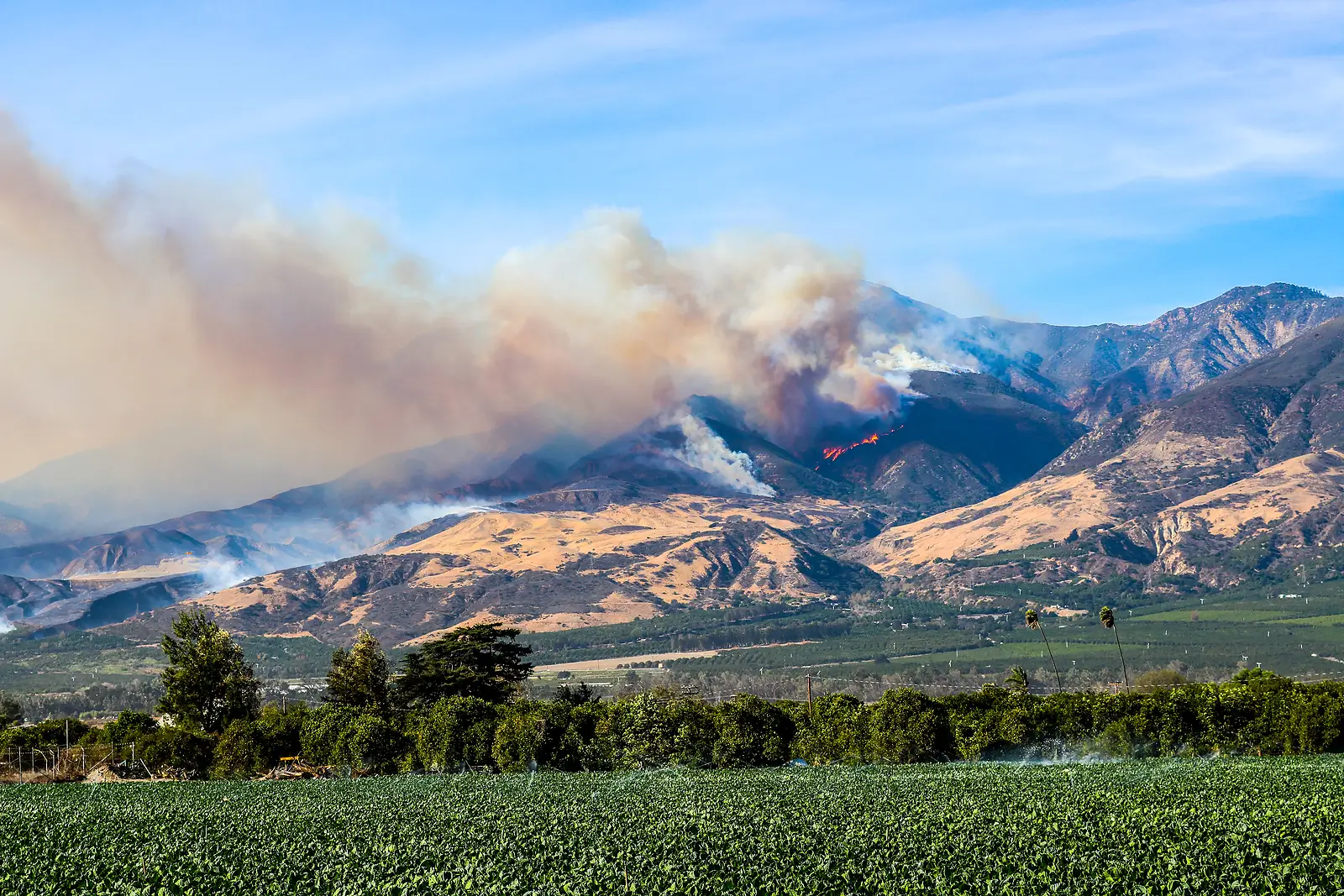
Ventura County wildfire season is no longer an occasional disruption. It is a predictable, recurring risk that rental property owners must plan for each year. With dry vegetation, prolonged drought cycles, and powerful Santa Ana winds, even well-maintained residential and multifamily properties can be exposed to serious fire and smoke.
According to CAL FIRE’s Fire Hazard Severity Zone maps, parts of Ventura County are designated as high or very high fire hazard severity zones. That designation alone reinforces why proactive preparation is essential for many rental property owners in the region.
For landlords, wildfire season affects more than physical structures. It impacts tenant safety, habitability standards, insurance costs, vacancy risk, and long-term property value. Smoke damage can trigger remediation expenses, temporary displacement, and potential disputes if indoor air quality deteriorates.
Preparation is not a one-time checklist. It is an operational framework. Read on for a structured guide to protecting your rental properties before peak fire conditions arrive.
Key Takeaways
- Ventura County rental properties face elevated wildfire risk due to climate conditions and fire hazard severity designations.
- Creating defensible space and maintaining exterior systems significantly reduces structural fire exposure.
- Upgrading to MERV 13 filters and monitoring AQI levels improves indoor air quality during smoke events.
- Clear evacuation plans and compliance reviews help protect landlords from liability and income loss.
Wildfire Risk in Ventura County: Why Preparation Matters
1. Seasonal and Geographic Risk Factors
Wildfire activity in Ventura County typically intensifies in late summer and fall. Dry hillsides, low humidity, and Santa Ana wind events create fast-moving fire conditions that can spread embers over long distances.
These winds can carry burning debris into suburban neighborhoods and multifamily communities. Even properties not directly adjacent to open space may face exposure during severe fire events.
2. Smoke Travels Farther Than Many Owners Realize
Fire risk is not limited to visible flames. Smoke can infiltrate buildings miles away from the fire line. The U.S. Environmental Protection Agency explains that wildfire smoke can travel hundreds of miles and degrade air quality in communities far from the source, as detailed in its guidance on wildfire smoke and health impacts.
For rental property owners, this means smoke damage and indoor air contamination are real risks even when evacuation orders are not issued.
3. Financial and Operational Consequences
Failure to prepare can result in:
- Structural repairs from ember intrusion
- Smoke remediation costs
- Temporary tenant relocation
- Lease disputes related to habitability
- Insurance premium increases
Preventative planning is significantly less expensive than reactive recovery. Many Ventura owners rely on professional maintenance services to ensure seasonal inspections and wildfire preparation steps are completed before high-risk months begin.
Creating Defensible Space and Reducing Exterior Fire Hazards
What Is Defensible Space?
Defensible space refers to the buffer zone between a structure and surrounding vegetation that reduces the likelihood of fire spreading to the building.
California Public Resources Code 4291 requires property owners to maintain defensible space around structures that are located in, upon, or adjoining mountainous areas, forest-covered lands, brush-covered lands, grass-covered lands, or other areas containing flammable vegetation. CAL FIRE outlines official standards in its defensible space guidelines, including clearance zones and vegetation management recommendations.
Practical Defensible Space Strategies for Rental Properties
For single-family rentals and multifamily communities in Ventura, defensible space includes:
- Clearing dry brush and dead vegetation
- Trimming tree branches away from roofs
- Spacing shrubs to limit flame spread
- Removing leaf buildup from yards and landscaping
Roofs, Gutters, and Exterior Surfaces
Embers frequently ignite fires by landing in gutters filled with dry leaves. Routine roof and gutter cleaning reduces this vulnerability.
Property owners should also inspect:
- Wooden fencing attached to structures
- Decks and exterior staircases
- Storage areas containing combustible materials
Trash bins and flammable items should be stored away from buildings, particularly during red flag wind warnings.
Exterior preparation is one of the most impactful wildfire prevention measures rental owners can take in Ventura County.
Protecting Indoor Air Quality during Smoke Season
Why Indoor Air Quality Matters for Landlords
Smoke particles are microscopic and can enter properties through vents, door gaps, and minor cracks. Once inside, they circulate through HVAC systems and settle into carpets, upholstery, and ductwork.
Poor indoor air quality can create habitability concerns, especially for tenants with asthma or respiratory conditions.
Upgrade HVAC Filtration
The EPA recommends using MERV 13 or higher filters, when compatible with the HVAC system, to reduce fine particulate matter from wildfire smoke. This recommendation is detailed in its guidance on indoor air filtration and wildfire smoke.
Before upgrading filters, owners should confirm system compatibility with an HVAC professional to avoid airflow restriction or equipment strain.
During heavy smoke periods:
- Replace filters more frequently
- Inspect ductwork for buildup
- Monitor airflow performance
Use Portable HEPA Air Purifiers
Portable HEPA filtration units can significantly reduce indoor smoke particles in individual units and common areas. These are especially useful in multifamily properties where shared hallways and enclosed amenities may trap smoke.
Seal Air Gaps and Monitor AQI
Weatherstripping and caulking around windows and doors reduce smoke infiltration.
Owners should also monitor real-time air quality through AirNow’s Ventura County AQI reports. When air quality reaches unhealthy levels, tenants should be advised to:
- Keep windows closed
- Limit outdoor activity
- Use air filtration systems consistently
Indoor air management is a key component of smoke season preparedness in California rentals.
Emergency Planning and Tenant Communication
Create a Clear Evacuation Plan
Every rental property should have a documented wildfire evacuation plan that includes:
- Multiple exit routes
- Safe meeting locations
- Contact procedures
Multifamily communities should post evacuation maps in visible common areas and distribute digital copies to residents.
Establish Reliable Communication Systems
During wildfire events, communication speed matters. Property owners should implement:
- Text alert systems
- Email notification lists
- Emergency contact protocols
Clear documentation of outreach efforts demonstrates responsible management and reduces potential liability.
Assign Roles within the Management Team
An effective wildfire response plan identifies who is responsible for:
- Communicating with tenants
- Coordinating with emergency responders
- Documenting property conditions
Organized response procedures protect both residents and property investments.
Compliance, Insurance, and Post-Fire Recovery Planning
Fire Safety Compliance
California landlords must maintain operational smoke alarms and required fire safety equipment. Routine inspection and documentation are critical.
Preventative electrical inspections reduce ignition risks inside units. Appliance and housing compliance updates should also be reviewed regularly. For example, landlords can reference California AB 628 to understand how evolving standards may impact rental property obligations.
Review Insurance Coverage
Wildfire insurance policies vary significantly in:
- Coverage limits
- Deductibles
- Smoke damage clauses
Before peak fire season, landlords should confirm policy details and encourage tenants to carry renters’ insurance.
Tracking wildfire-related improvements and expenses is also important for financial planning. Structured accounting solutions help Ventura landlords document mitigation investments and maintain accurate records.
Post-Fire Inspections and Recovery
Even if flames do not directly impact your property, inspections should include:
- Roof and attic ember checks
- Vent and siding inspection
- Interior surface assessment for smoke residue
If smoke infiltration is extensive, professional remediation services may be necessary to restore habitable conditions quickly and minimize vacancy loss.
FAQs
1. Are landlords required to maintain defensible space in Ventura County?
Properties located in wildfire-prone areas with flammable vegetation are subject to California defensible space requirements under state law. Local fire authorities may conduct inspections and issue citations for noncompliance.
2. Is MERV 13 always safe for every HVAC system?
Not necessarily. While MERV 13 is recommended for wildfire smoke filtration, compatibility depends on your specific HVAC system, so professional evaluation is advised before upgrading.
3. Can smoke infiltration make a rental unit uninhabitable?
Severe indoor smoke contamination can raise habitability concerns, particularly for tenants with respiratory conditions. Prompt filtration upgrades and remediation reduce the likelihood of disputes.
4. Should I file an insurance claim after minor smoke exposure?
Small cleanup costs may fall below your deductible, and repeated claims can affect premiums. A professional assessment can help determine whether filing a claim is financially appropriate.
Long-Term Resilience Starts before the Next Fire
Wildfire season in Ventura County is not a temporary disruption. It is an ongoing operational factor that must be integrated into responsible rental property ownership.
Landlords who invest in defensible space, air quality upgrades, structured emergency planning, and compliance oversight position their properties for long-term stability. Early preparation reduces liability exposure, protects tenant safety, and preserves asset value.
At Rent 805, we can help implement proactive wildfire readiness strategies that align with both regulatory requirements and financial performance goals. If you want to strengthen your preparation plan, contact our team today to protect your investment with experienced local management support.